





Materials and Environmental Considerations
There is no simple solution when it comes to reducing the textile industry's climate footprint. This also applies to the choice of materials. Materials such as organic cotton, bamboo, or recycled fibers may have certain advantages in production, but they do not necessarily make a product completely environmentally friendly. Nevertheless, we see conscious material choices as part of a broader effort to reduce the overall impact of the industry.
At qUINT, we offer products from a range of brands that use different types of materials and production methods. This means that both the origin of the materials and the environmental impact of the production vary from product to product and supplier to supplier.
Conventional and organic
COTTON
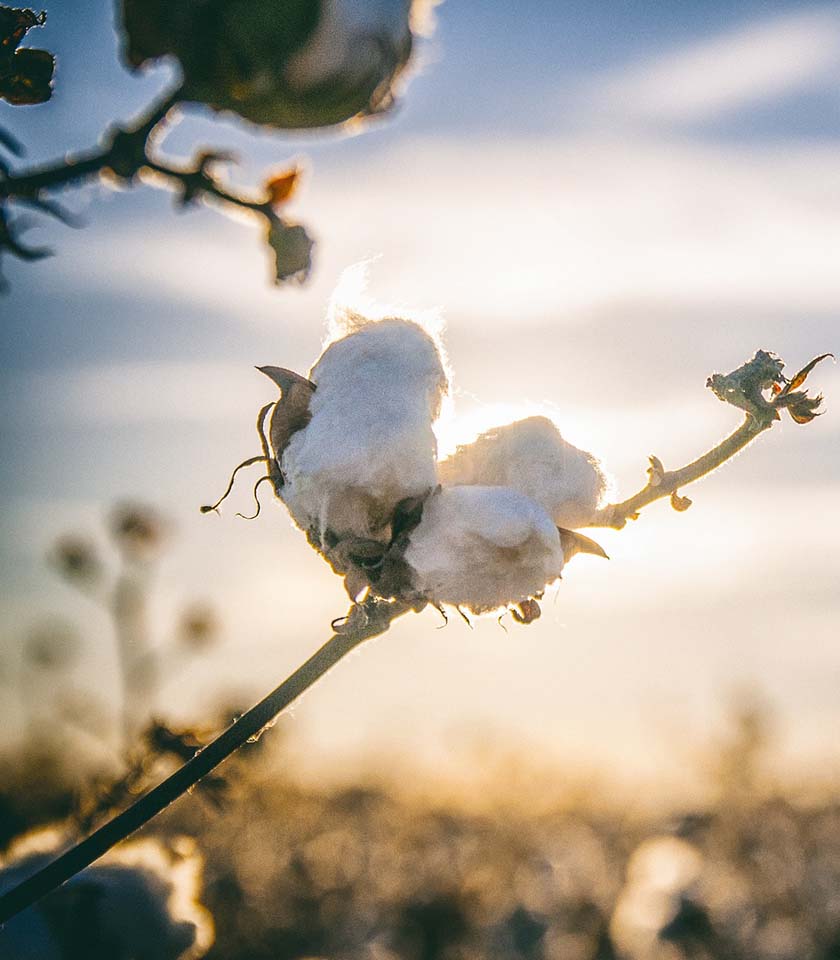
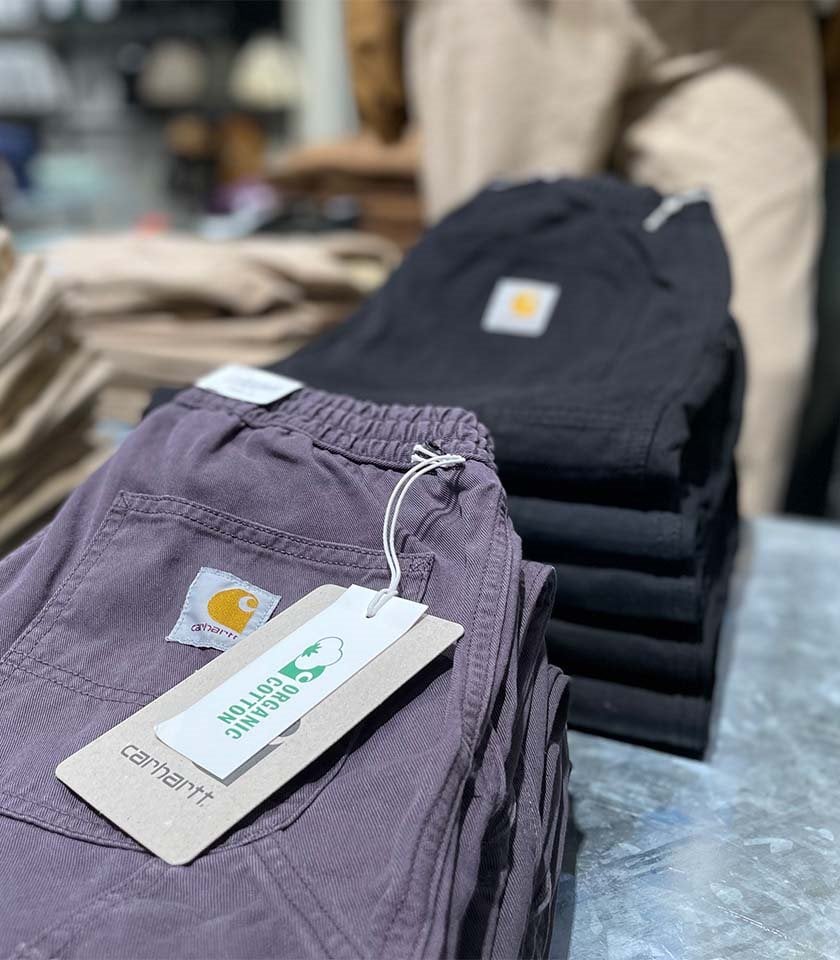
Cotton is a widely used material in the textile industry – mainly due to its softness and absorbent properties. However, conventional cotton production is often associated with high water consumption and the use of chemicals that can be harmful to both the environment and people. Several of our suppliers have taken steps towards using organic cotton, which is grown without the use of synthetic pesticides and fertilizers. Organic cotton production also requires, among other things, the education of farmers and more gentle treatment of the soil. In some cases, organic cotton cultivation also requires less water, depending on local practices and conditions.

BAMBOO AS A TEXTILE MATERIAL
Bamboo has become more widespread as a raw material in textile production. Bamboo plants grow quickly, usually don't require irrigation, and have a natural resistance to certain pests, which can reduce the need for pesticides. These properties make bamboo attractive in terms of resource efficiency.
However, it is worth noting that the transformation from bamboo plant to textile fibers often involves chemical processes, which vary in environmental impact depending on the method and manufacturing conditions. Bamboo textiles are known for being soft and comfortable against the skin, and many people find them temperature-regulating and suitable for sensitive skin.
RECYCLED MATERIALS
Recycled materials refer to textiles that are partly made from previously used products or waste materials – for example, recycled cotton, plastic bottles, or other synthetic materials. Through mechanical or chemical processes, these materials are transformed into fibers that are incorporated into new textile products.
We see recycling as a relevant contribution to reducing resource consumption and waste in textile production, but it is not a guarantee that a product will have a low environmental impact overall. There are still factors such as energy consumption, transport, and processing methods that play a role.
At qUINT, we offer products that contain various recycled materials such as cotton, polyester, nylon, and polyamide. You can see the selection here.
We also recommend that when purchasing new clothes, you consider durability and usability. High-quality products often have a longer lifespan, which in itself can help reduce environmental impact over time.